

Research
CENTROSOMES IN DEVELOPMENT & DISEASE
Centrosomes are the microtubule organizing centers of most eukaryotic cells tasked with building the bipolar mitotic spindle that segregates the duplicated genome into two daughter cells during cell division. As such, centrosomes are integral to maintaining genome stability. Centrosomes orchestrate numerous critical tasks beyond cell division: cell polarization and migration, intracellular trafficking, and ciliogenesis.
Given these critical roles, centrosome dysfunction is the leading cause of microcephaly and is also associated with sterility, ciliopathy, poor cancer prognosis, and other disorders.
Cell cycle-dependent oscillations in composition and organization contribute to the multifunctional nature of centrosomes. We study how these dynamic changes instruct centrosome activity and function. Our goal is to elucidate mechanisms of centrosome regulation in the context of normal development and how these regulatory paradigms go awry in models of human disease or developmental disorders.
People
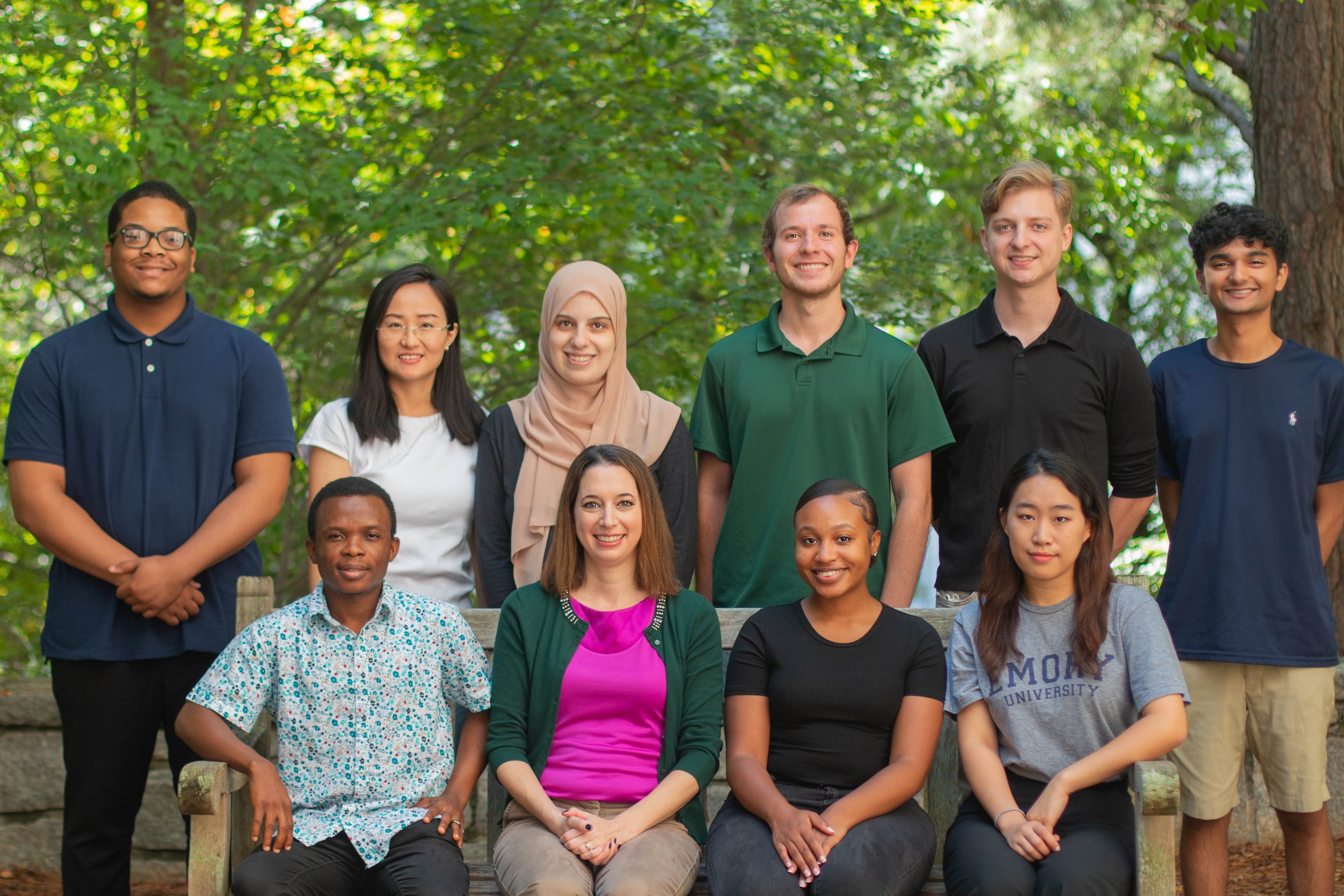
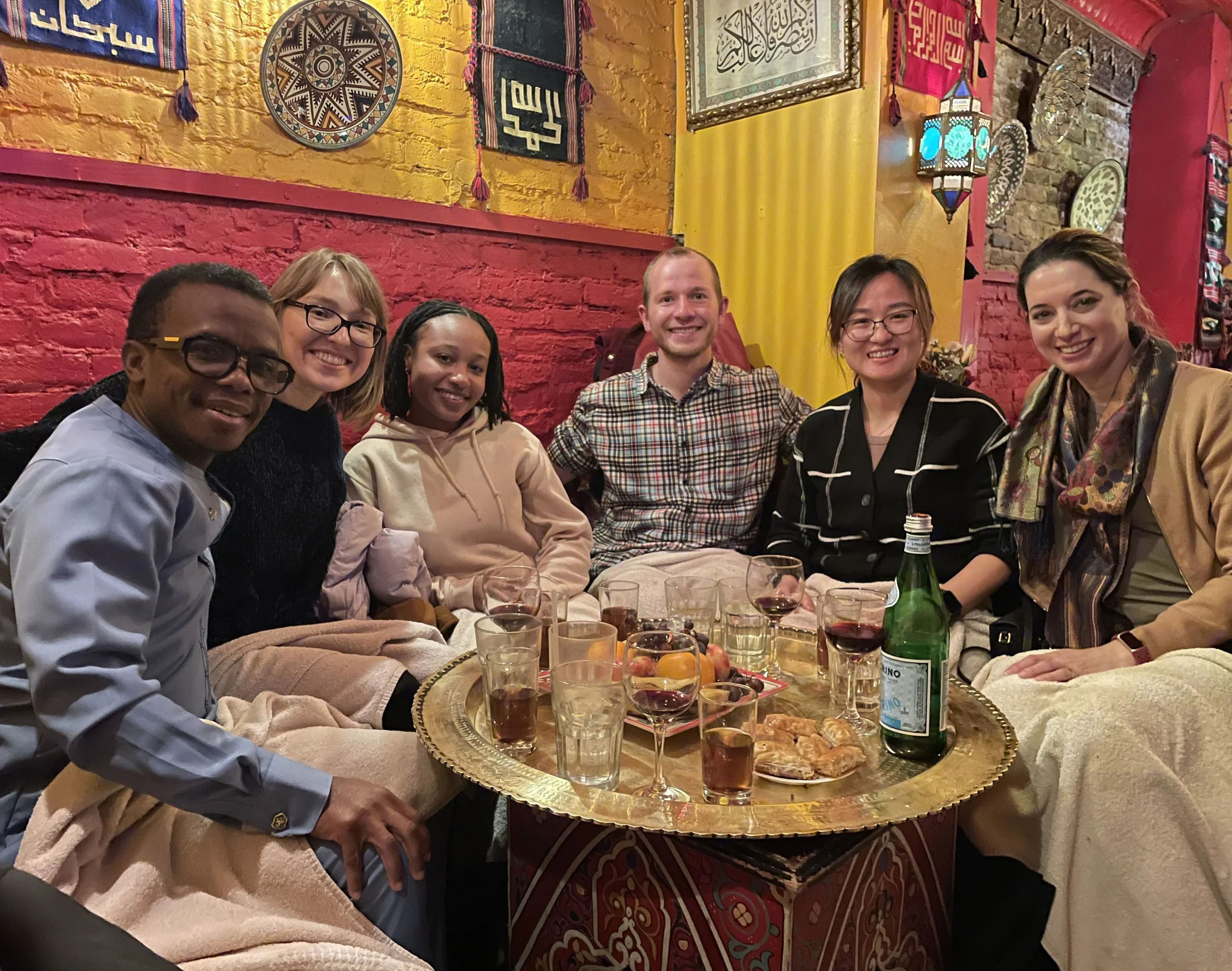
Lerit Lab, August 2022. Photo credit: Dr. Joanna Wardwell-Ozgo
We are an interdisciplinary research group in the Department of Cell Biology at Emory University School of Medicine.

Publications


Click here for PubMed
See Dorothy present our early work studying RNA localization in Drosophila embryos at the 2019 ASCB Teaching Tomorrow’s Scientists regional meeting.
We post preprints on biorxiv.org
Hailstock T, Buehler J.*, Robinson BV*, Low TCH, Hua Y, Adebambo TH, Govaerts J, Schoborg TA, Lipshitz HD, and Lerit DA. The CPEB ortholog Orb2 regulates brain size through the TRIM-NHL RNA-binding protein, Brain tumor. bioRxiv [Preprint]. 2025 Jul 22:2025.07.18.665534. doi: 10.1101/2025.07.18.665534. PMID: 40777385. *, equal contributions
Fang, J.*, Brockett, J.S.*, Tian, W., Hua, Y., Gavis, E.R.#, and Lerit, D.A.# (2025) Visualization of the cytoskeleton in fixed Drosophila embryos. Current Protocols. 5, e70145. doi: 10.1002/cpz1.70145 *, co-first authors; #corresponding author
Fang, J.*, Tian, W.*, Quintanilla, M.A., Beach, J.R., and Lerit, D.A. (2025) The PCM scaffold enables RNA localization to centrosomes. Molecular Biology of the Cell. Jun 1;36(6):ar75. doi: 10.1091/mbc.E25-03-0117. Epub 2025 Apr 30. PMID: 40305119. *, equal contribution
Adebambo, T., Medina Flores, M.F., Zhang, S.L., and Lerit, D.A. (2025) Arsenic impairs Drosophila neural stem cell mitotic progression and sleep behavior in a tauopathy model. G3: Genes, Genetics, Genomes. 2025 Apr 7:jkaf049. doi: 10.1093/g3journal/jkaf049. Epub ahead of print. PMID: 40192438
Zein-Sabatto, H., Brockett, J.S., Jin, L., Husbands, C.A., Lee, J., Fang, J., Buehler, J., Bullock, S.L., and Lerit, D.A. Centrocortin potentiates co-translational localization of its mRNA to the centrosome via dynein. bioRXiv 2024.08.09.607365; doi: https://doi.org/10.1101/2024.08.09.607365
Brockett, J.S., Manalo, T., Zein-Sabatto, H., Lee, J., Fang, J., Chu, P., Feng, H., Patil, D., Davidson, P., Ogan, K., Master, V.A., Pattaras, J.G., Roberts, D.L., Bergquist, S.H., Reyna, M.A., Petros, J.A., Lerit, D.A.#, and Arnold, R.S.# (2024) A missense SNP in the tumor suppressor SETD2 reduces H3K36me3 and mitotic spindle integrity in Drosophila. Genetics. 226(4):iyae015. #corresponding authors
Hailstock, T.*, Terry, D.*, Wardwell-Ozgo, J.*, Robinson, B.V., Moberg, K.H., and Lerit, D.A. (2023) Colorimetric synchronization of Drosophila larvae. Current Protocols. 3(10): e924. *, equal contribution
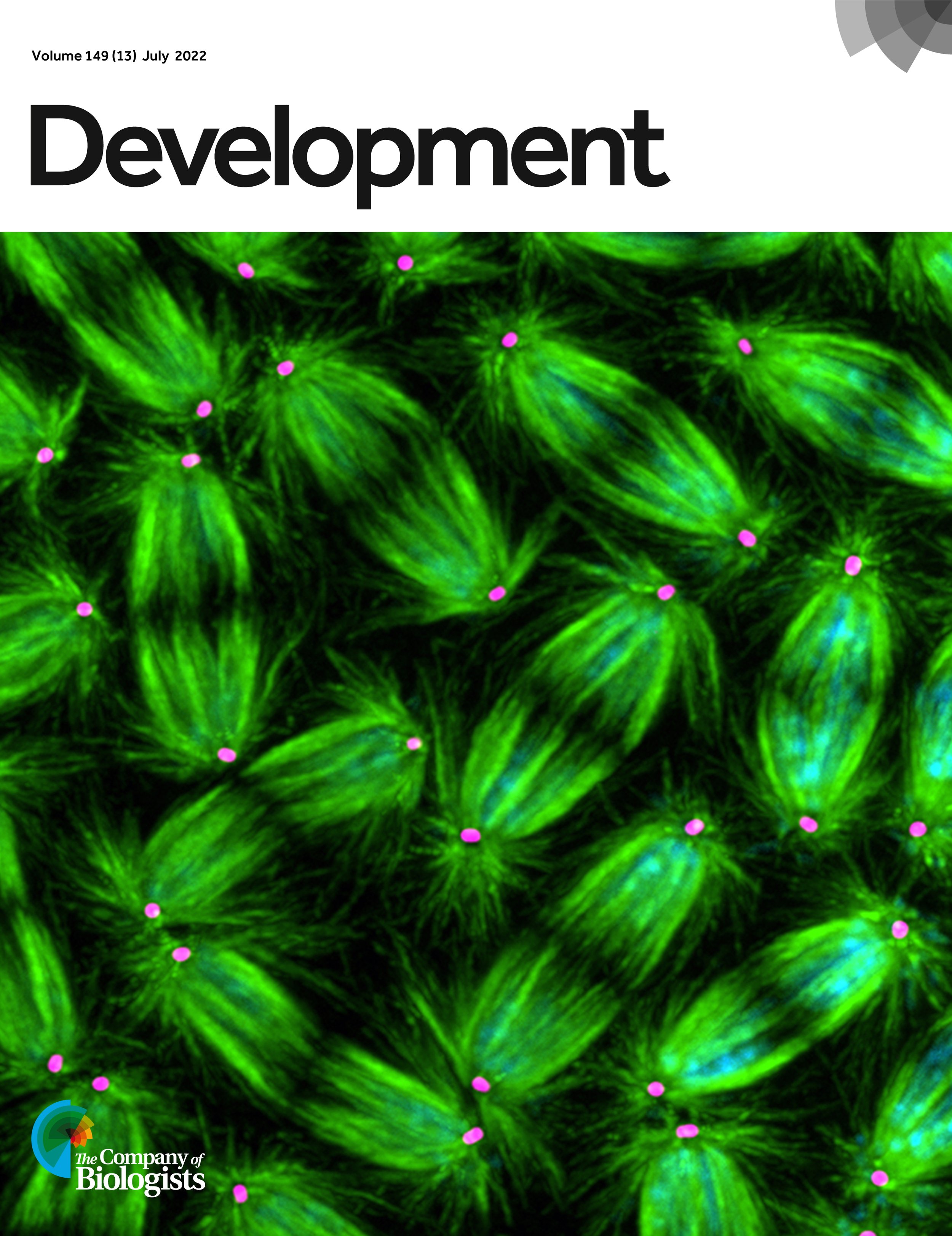
Fang, J. and Lerit, D.A. (2022) Orb-dependent polyadenylation contributes to PLP expression and centrosome scaffold assembly. Development. 149(13):dev200426
>Cover feature
Lerit, D.A. (2022) Reflections on mentorship as an early career researcher. Mol Biol Cell. 33(14):ae3.
Lerit, D.A. (2022) Signed, sealed, and delivered: RNA localization and translation at centrosomes. Mol Biol Cell. 33(5):pe3
Zein-Sabatto, H. and Lerit, D.A. (2021) The identification and functional analysis of mRNA localizing to centrosomes. Front. Cell Dev. Biol. 9:782802
Colonnetta, M.M., Lym, L.R., Wilkins, L., Kappes, G., Castro, E.A., Ryder, P.V., Schedl, P., Lerit, D.A.#, and Deshpande, G.# (2021). Antagonism between germ cell-less and Torso receptor regulates transcriptional quiescence during germline/soma distinction. eLife. 10:e54346. #corresponding authors
Ryder, P.V.*, Fang, J.*, and Lerit, D.A. (2020) centrocortin mRNA localization to centrosomes is regulated by FMRP and facilitates error-free mitosis. Journal of Cell Biology. 219(12): e202004101 *, equal contribution
> Comment written by Daniela Zarnescu
Ryder, P.V.# and Lerit, D.A.# (2020) Quantitative analysis of subcellular distributions with an open-source, object-based tool. Biology Open. Epub Sept 2020. # corresponding authors
> First Person Interview with Pearl
Robinson, B.V., Faundez, V., and Lerit, D.A. (2020) Understanding microcephaly through the study of centrosome regulation in Drosophila neural stem cells. Biochemical Society Transactions. 48(5):2101-2115.
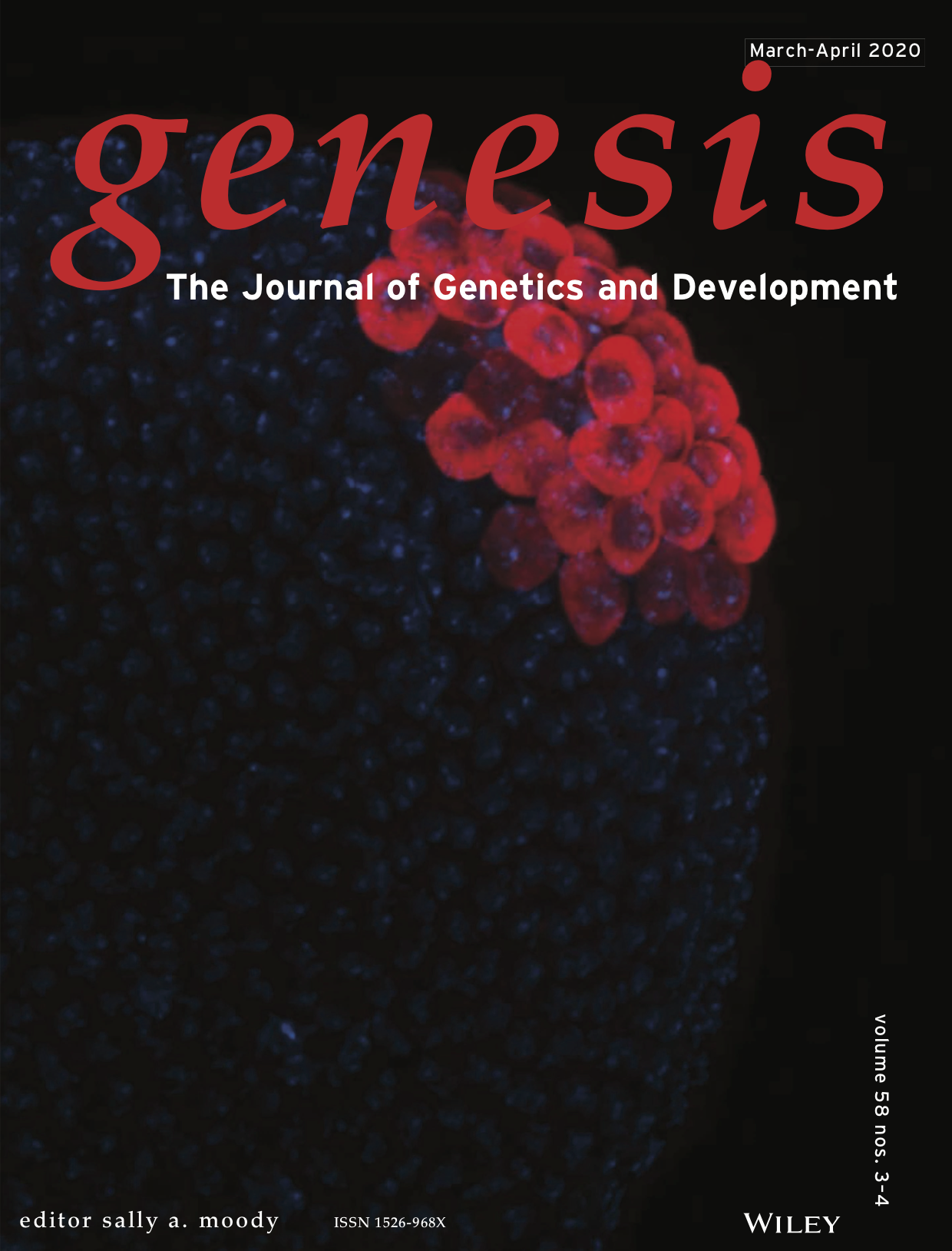
Fang, J. and Lerit, D.A. (2020) Drosophila Pericentrin-like protein promotes the formation of primordial germ cells. Genesis. 58(3-4):e23347. Epub Nov 2019
>Cover feature
Benner, L., Castro, E.A., Whitworth, C., Venken, K.J.T., Yang, H., Fang, J., Oliver, B.#, Cook, K.R., and Lerit, D.A.# (2019) Drosophila heterochromatin stabilization requires the zinc-finger protein Small Ovary. Genetics. 213(3):877-895 # corresponding authors
>Editorial Highlight
Ryder, P.V. and Lerit, D.A. (2018) RNA localization regulates diverse and dynamic cellular responses. Traffic. 19(7):496-502.
>Cover feature
Lerit, D.A.*#, Shebelut, C.W., Lawlor, K., Rusan, N.M., Gavis, E.R., Schedl, P., and Deshpande, G.*# (2017). Germ cell-less promotes centrosome segregation to induce germ cell formation. Cell Reports. 18(4): 831-839. * equal contributors, # corresponding authors
>Cover feature
Lerit, D.A.*# and Poulton, J.S.*# (2016). Regulation of proper centriole number is critical for genomic stability. Chromosome Research. 24: 5-17. * equal contributors, # corresponding authors
Lerit, D.A., Jordan, H.A., Poulton, J.S., Fagerstrom, C.J., Galletta, B.J., Peifer, M., and Rusan, N.M. (2015) Interphase centrosome organization by the PLP-Cnn scaffold is required for centrosome function. Journal of Cell Biology. 210(1): 79-97.
>Featured in JCB Biosights Video.
>Featured as a JCB Journal Club
Galletta, B.J.*, Guillen, R.X.*, Fagerstrom, C.J., Brownlee, C.W., Lerit, D.A., Megraw, T., Rogers, G.C., and Rusan, N.M. (2014). Drosophila Pericentrin requires Calmodulin for its function in vivo. Molecular Biology of the Cell. 25(18): 2682-2694 * equal contributors
Lerit, D.A., Plevock, K.M., and Rusan. N.M. (2014). Live imaging of Drosophila larval neuroblasts. Journal of Visualized Experiments. (89), e51756.
Lerit, D.A. and Rusan, N.M. (2013). PLP inhibits the activity of interphase centrosomes to ensure their proper segregation in stem cells. Journal of Cell Biology. 202(7):1013-1022.
>Featured in JCB In Focus.
Lerit, D.A., Smyth, J.T., and Rusan, N.M. (2013). Organelle asymmetry for proper fitness, function and fate. Chromosome Research. 21(3): 271-86.
Gopalakrishnan, J., Chim, Y.-C.F.*, Ha, A.*, Basiri, M.L.*, Lerit, D.A., Rusan, N.M., and Avidor-Reiss, T. (2012). Tubulin nucleotide status controls Sas-4-dependent pericentriolar material recruitment. Nature Cell Biology. 14(8): 865-873. * equal contributors
Lerit, D.A. and Gavis, E.R. (2011). Transport of germ plasm on astral microtubules directs germ cell development in Drosophila. Current Biology. 21(6): 439-448.
>Recommended by F1000
Becalska, A.N.*, Kim, Y.R.*, Belletier, N.G., Lerit, D.A., Sinsimer, K.S., and Gavis, E.R. (2010). Aubergine is a component of a nanos mRNA localization complex. Developmental Biology. 349(1): 46-52. * equal contributors
Korpal, M., Yan, J., Lu, X., Xu, S., Lerit, D.A., and Kang, Y. (2009). Imaging transforming growth factor-b signaling dynamics and therapeutic response in breast cancer bone metastasis. Nature Medicine. 15(8): 960-966.

Contact
Lerit Lab
Department of Cell Biology
Emory University School of Medicine
615 Michael St. | Room 465 Whitehead Building
Atlanta, GA 30033
LAB PHONE:
(404) 727 3758
EMAIL US:
DLERIT@EMORY.EDU
Lerit Lab Philosophy
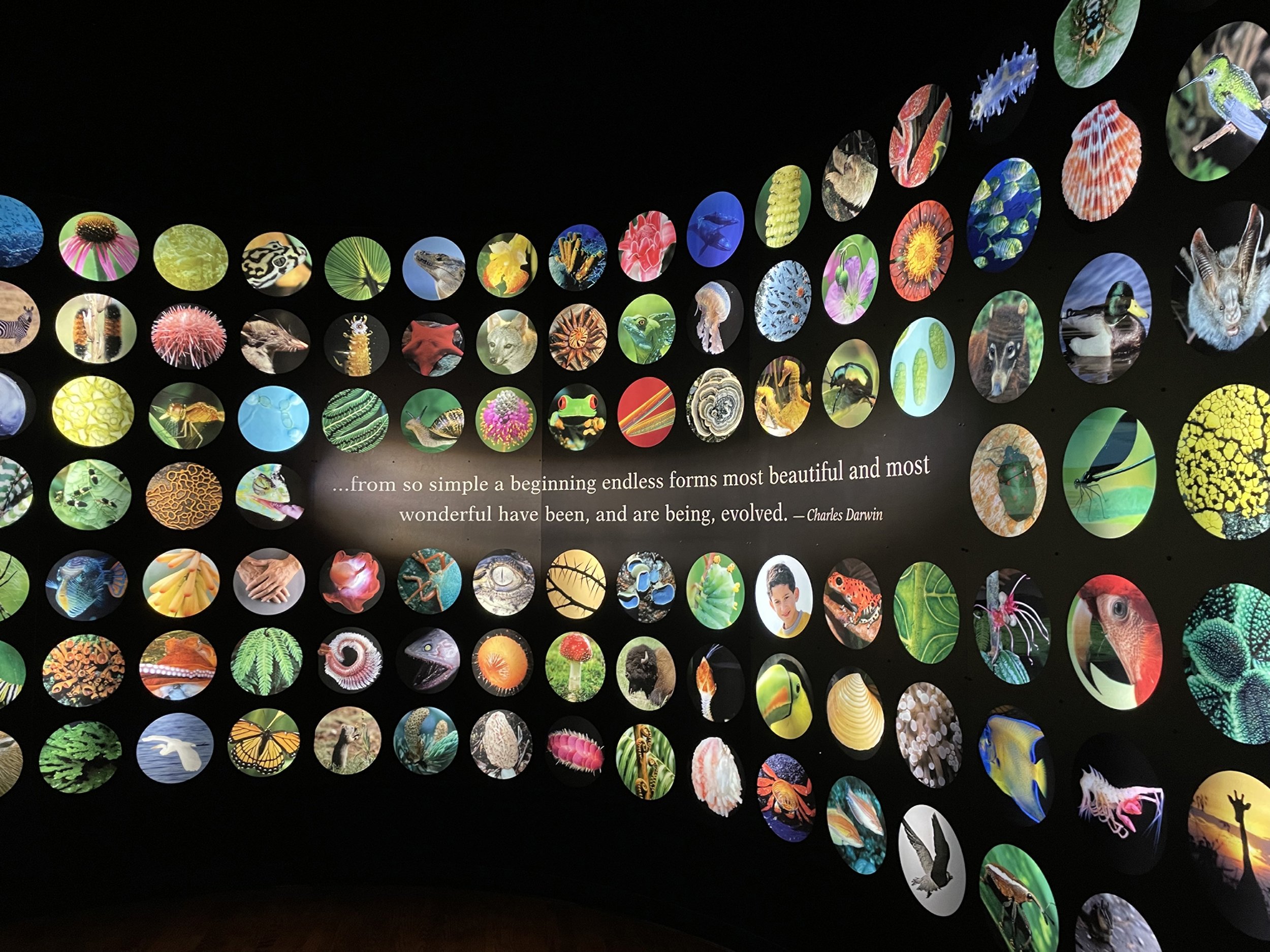
“Science is a global endeavor“
Science is a global endeavor that touches all of humanity. We acknowledge data from the National Science Foundation and National Academies that says academic research suffers from discrimination (1,2). Neither science, research, nor education operate in a vacuum; they are influenced by societal issues, and vice versa.
The Lerit Lab welcomes, supports, and advocates for trainees from varied intersectional identities, including individuals of different gender identities, sexualities, racial and ethnic backgrounds, socioeconomic status, religious affiliations, disabilities, countries of origin, family statuses, and other personal identities. Consistent with all federal laws, all qualified individuals will be equally considered for employment or recruitment.
We are committed to maximizing equitable access to education and research opportunities to promote a robust and well-trained scientific workforce for the future.
As a research mentor, Dr. Lerit is dedicated to the individual successes of her trainees and recognizes there is no “one-size-fits-all” mentorship style. Her recruitment of undergraduate students, graduate trainees, postdoctoral fellows, and research staff reflects a commitment to fostering a successful team of talented, curious, and engaged scientists and scholars. Their success is marked by individual fellowships, awards, publications in respected scholarly journals, and successful advancement within their chosen career paths.
Emory University and the School of Medicine provide resources to individuals and groups to foster a culturally aware environment, promote wellness, and maintain legal compliance (3, 4, 5).
last updated: May 2025
join our squad
The Lerit Lab is always interested in discussing research opportunities with motivated individuals.
POSTDOCTORAL FELLOWS
Position open! We are currently recruiting motivated postdocs to lead new projects. We’re looking for candidates who are early in their careers (recent grads or less than 2 years of postdoc experience) and have a proven ability to see projects through to first-author publication. If you’re looking for an environment that balances rigorous science with a supportive atmosphere, get in touch.
How to Reach Out: Send your CV and a short note about why you're interested in our work to Dorothy.
Graduate students
Interested in rotating with us? If you're a current GDBBS student, feel free to reach out to Dorothy to chat about current projects and potential rotation opportunities.
International candidates: There is no mechanism for us to directly admit international students. Prospective international students must apply to one of the GDBBS graduate programs. Accepted students should reach out to Dorothy to discuss rotations.
undergraduate students
We seek driven undergraduate students with a strong commitment to fundamental research (15+ hr/wk during the academic year and full-time during the summer). To maximize the individualized mentorship of our students, the number of these positions is limited. Contact Dorothy to inquire about openings.
How to Reach Out: Send your CV or Resume and a short note about why you’re interested in our work to Dorothy. We expect a long-term commitment to a research project (2+ years), enrollment in 499R or 495R, and a willingness to submit an application to SURE.
summer internships
We occasionally host undergraduate summer interns from other universities. Interested applicants may apply through Emory SURE or contact Dorothy directly (before May). We rarely accept high school interns. Preference is given to individuals who apply through the Winship SSRP Program.